Join the Waitlist
If you’d like to be notified when BrightCredit officially launches, you can join the waitlist below.
At A Glance
- Photos and listings rarely tell the full story of a used car.
- A structured inspection can help reveal problems before you commit financially.
- Paperwork, condition, and test-drive behaviour should all support the same story.
- Small warning signs can sometimes point to larger underlying issues.
- A pre-purchase inspection can be worthwhile if you are unsure about the vehicle.
- Walking away from the wrong car is often part of buying well.
Inspections Matter More Than the Photos
Online listings can make almost any car look appealing. Fresh paint, clean interiors, and polished photos say very little about what the car is actually like underneath — and that is often where the expensive problems sit.
A proper inspection is not really about finding a perfect car. It is about slowing down long enough to spot warning signs before you commit financially. Even a basic, structured check can help reveal problems early, build confidence in a good car, or make it easier to walk away from the wrong one.
This guide focuses on what to look for when you are standing in front of the car itself — step by step, without needing advanced mechanical knowledge.
Table of Contents
Check the Paperwork First
Before you even look at the car, the paperwork can tell you more than any test drive. A few quick checks can save you from buying a vehicle with debt, hidden damage, or legal problems.
1. PPSR Check
Run a PPSR report (about $2) to confirm the car is not:
- under finance
- written off
- stolen
If the PPSR shows money owing or a write-off history, it is usually not worth pursuing further.
2. Match the VIN
Make sure the VIN on the paperwork matches the VIN:
- on the windscreen plate
- in the engine bay
- on the chassis plate
Any mismatch is a major red flag.
3. Logbook & Service History
A healthy history should show:
- regular servicing at consistent intervals
- receipts for major maintenance (timing belt, brakes, tyres, battery)
- no unexplained gaps
A missing or patchy logbook is not automatically a deal-breaker, but it does mean the car deserves a closer inspection.
4. Registration Status
Check:
- rego expiry date
- that the seller is the registered owner
- whether registration can be transferred in your state
5. Roadworthy Certificate (RWC)
Whether an RWC is required depends on your state:
- QLD / VIC / ACT: Seller usually must provide one
- NSW / SA / WA / NT / TAS: Often not required for private sales
If the seller refuses to provide an RWC where it is required, that is usually a strong reason to proceed cautiously.
Exterior Inspection
A slow walkaround can reveal problems long before you lift the bonnet. Use this quick visual checklist as a starting point:
⚠️ Paint & Accident Signs
- Mismatched colour or texture across panels
- Overspray around trims or rubber seals
- Uneven panel gaps (which may suggest previous repairs)
- Dents or ripples visible from certain angles
⚠️ Rust (Surface vs Structural)
Check common rust areas such as:
- wheel arches
- bottom edges of doors
- boot seal areas
- underbody edges
Bubbling underneath the paint may indicate more serious corrosion beneath the surface.
⚠️ Tyres
- Even tread wear across all tyres
- Matching tyre brands/models where possible
- No cracking, bulges, or excessively old tyre dates
Uneven wear can point to alignment, suspension, or steering issues.
⚠️ Leaks Under the Vehicle
After the car has been parked, look for:
- oil spots
- green or orange coolant fluid
- reddish transmission or power steering fluid
Fresh or wet leaks deserve closer attention before committing to the vehicle.
⚠️ Windscreen & Windows
- Chips, cracks, or star fractures
- Scratches caused by worn wipers
- Bubbling or peeling window tint
Cracks near the edge of the windscreen often require full replacement.
⚠️ Lights
- Check that the headlights, taillights, indicators, and brake lights all work correctly.
- Fogging or condensation inside lenses may indicate water ingress or seal deterioration.
Looking Under the Bonnet
You do not need to be a mechanic to spot obvious issues. These simple checks can still reveal a lot about how well the car has been maintained.
🛑 Oil
- Use the dipstick — the oil should appear relatively clean and smooth, not excessively black or gritty.
- Very low oil levels may point to overdue servicing or leaks.
🛑 Coolant
- Coolant should usually appear green, orange, or pink and sit at the correct level.
- Milky or rusty coolant may point to contamination or cooling-system issues.
🛑 Battery Terminals
- Check for corrosion (white or crusty buildup around the terminals).
- Loose terminals or swelling around the battery case are worth paying attention to.
🛑 Belts & Hoses
- Look for cracks, fraying, or excessive wear on belts.
- Hoses should feel firm but still flexible — not brittle or leaking.
🛑 Visible Leaks
Check around the engine bay and underneath the vehicle for signs of:
- oil leaks
- coolant leaks
- transmission fluid leaks
Fresh leaks are usually a sign to proceed cautiously.
🛑 Radiator Condition
- Radiator fins should appear reasonably clean and intact.
- End tanks should not look cracked or heavily discoloured.
Never open the radiator cap while the engine is hot.
The Test Drive
A proper test drive can reveal problems that are impossible to spot in photos or while the car is parked. You do not need to test everything perfectly — the goal is simply to notice whether the car feels smooth, consistent, and well cared for.
1. Pay Attention to the Engine at Startup
The engine should start smoothly without excessive rattling, rough running, or warning lights staying on after ignition.
The first few seconds after startup can reveal problems that are less noticeable once the car warms up.
2. Notice How the Car Feels While Driving
The steering should feel stable, the brakes should respond cleanly, and the suspension should not produce heavy clunks or knocking sounds over bumps.
Automatic gearboxes should shift smoothly, while manual transmissions should engage gears cleanly without crunching or excessive clutch vibration.
3. Listen for Anything That Feels Unusual
Pay attention to vibrations, pulling, grinding noises, or sounds that appear during braking, turning, or acceleration.
When a Mechanic Inspection Is Worth It
Even after a careful personal inspection, there are situations where a professional mechanic inspection is still worth doing.
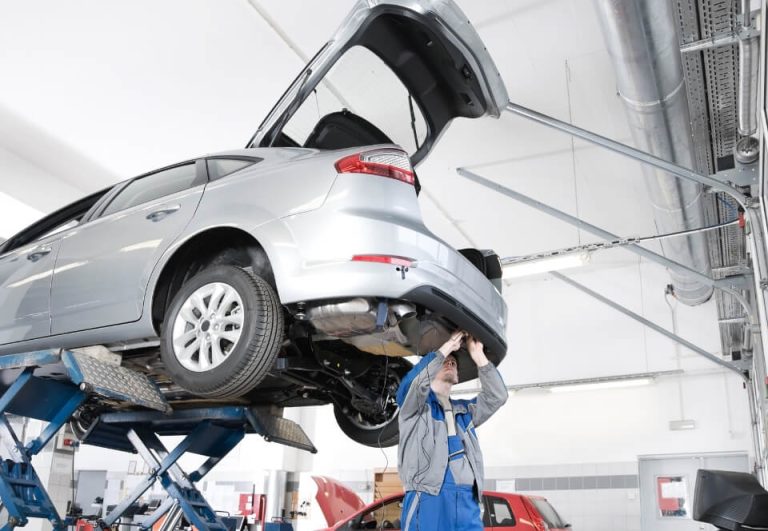
A qualified mechanic can identify problems that are difficult to spot during a standard walkthrough or test drive, including hidden damage, suspension wear, leaks, or signs of previous repairs.
For many buyers, a pre-purchase inspection is especially valuable when:
- the car is older or has high kilometres
- the service history is incomplete
- the vehicle is being purchased privately
- the model is known for expensive repairs or maintenance costs
Most inspections cost somewhere between $150 and $300 depending on location and detail level.
The condition matters even more when the car is cheap and you’re planning to use finance, because a lower purchase price doesn’t automatically make the vehicle easier to finance.
Bringing It All Together
A good inspection is not about finding a perfect car. It is about finding a suitable car that feels consistent, well maintained, and realistically priced for what it is.
When the condition, paperwork, service history, and test drive all support the same story, it becomes much easier to move forward confidently. And when things do not quite add up, walking away is often the smarter decision.
Once you’re comfortable with the car itself, the next step is making sure the car still makes sense once the finance is included.

Tom is the founder of BrightCredit and a finance broker focused on borrowing situations that are not straightforward. His writing helps Australians understand credit, loans, and the details that can affect their borrowing options in a clearer, more practical way.
Frequently Asked Questions
1. Can a car still have hidden issues even if it drives well?
Yes. Some problems are difficult to notice during a short inspection or test drive, which is why paperwork, service history, and consistency still matter alongside how the car feels to drive.
2. Why do buyers inspect cars in daylight when possible?
Natural light makes it easier to notice paint differences, dents, scratches, rust, and signs of previous repairs that are harder to see at night or in poor weather.
3. Should a seller allow enough time for a proper inspection?
Generally, yes. A seller who is comfortable with the condition of the car will usually allow reasonable time for inspections, paperwork checks, and test drives.
4. Why do some buyers bring another person to an inspection?
A second person can notice details or ask questions that are easy to miss when you are focused on the car yourself.
5. Can a car look clean but still be poorly maintained?
Absolutely. Cosmetic presentation and mechanical condition are not always the same thing, which is why inspections involve more than appearance alone.